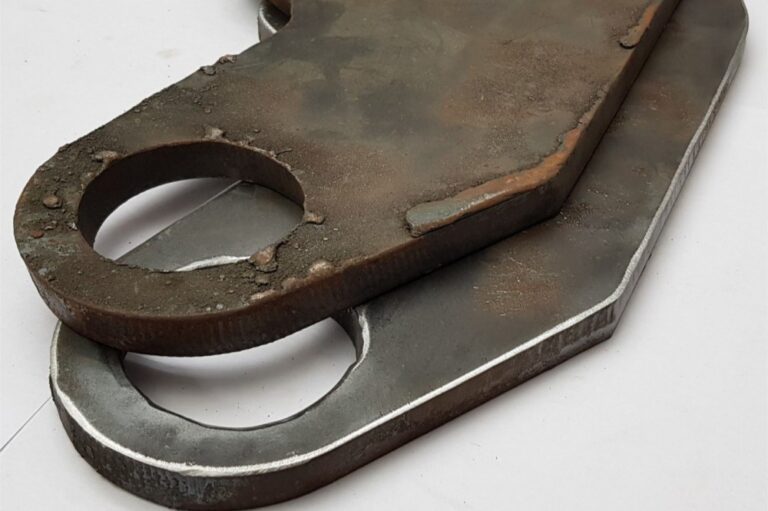
What warranty terms should you demand on an Edge Rounding Deburring Machine?
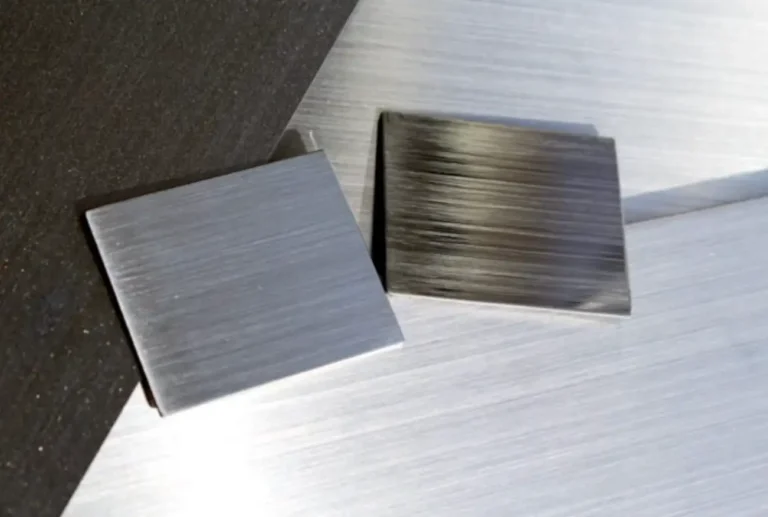
Starting such in-depth overview about automatic apparatuses fabricated for edge cleaning have advanced manufacturing operations, serving significant upsides within pace and caliber. Our article studies the several types of deburring solutions, consisting of brushing tumbling systems, linear mechanisms, and progressive computer-controlled platforms. We will present the gains of using such devices, featuring reduced human resources costs, higher manufacturing precision, and upgraded manufacturing efficiency.
Rim Polishing Solutions: Consistent Perfecting Clarified
Profile beveling machines offer a advanced solution for creating correct completion on components. In contrast with manual approaches, these programmable fixtures yield steady results and notably increase production potency. The apparatuses habitually use assorted abrasive equipment like whirling rotors, refining abrasives, or exclusive contours to cut away sharp edges and burrs. That process is essential in a expansive variety of areas, including aviation and instrumentation.- Upgrade face condition
- Lessen manufacturing spending
- Maximize output and performance
Residue Elimination Systems: Obtaining Pure, High-Quality Surfaces
Modern smelting practices systematically give rise to significant amounts of scale, a byproduct that, if neglected, can severely degrade the standard of the material. Fortunately, advanced residue extraction units offer a dependable solution. These tailored machines, employing techniques like blasting, are designed to completely eliminate this unwanted material, ensuring a clean and outstanding surface. The resulting upgrades include minimized rejection rates, enhanced aesthetic appeal, and an overall increase in fabrication rate. By utilizing breakthrough slag removal technology, manufacturers can consistently deliver first-class surfaces and fulfill stringent industry standards.
Sheet Fabrication Finalizing: The Benefits of Deburring Equipment
Accomplishing a first-rate surface on sheet metal segments is imperative for operation, and deburring machines grant considerable benefits over non-automated methods. Eradicating burrs efficiently not only raises the external quality of the product, but also blocks probable damage during integration and application. Furthermore, digital deburring techniques augment fabrication currents and cut labor charges.
Optimizing Sheet Metal Production with Automatic Deburring
In an effort to improve capacity in sheet metal production, examine automated deburring equipment. Hand deburring is ordinarily slow and subject to variations. Utilizing automatic deburring affords weighty gains, containing lower human resources spending, improved item consistency, and enhanced cycle times. These investments are able to immediately yield returns.Determining the Suitable Deburring Machine for Your Process
Evaluating the top deburring system for your individual needs is a comprehensive assessment of several points. First, assess the classification of resource you're working with – the metal requires distinctive techniques than synthetic. Later on, reflect upon the dimensions and configuration of the elements needing finishing touches. Ultimately speaking, think about your manufacturing rate; a heavy-duty operation calls for a varied type of instrument than a sporadic one. Skipping to account for these aspects can lead to poor results and expanded fees.
Deburring System Technology: Developments and Discoveries
Up-to-date edge finishing device technique is undergoing rapid advancement, spurred by the required for improved quality and productivity in production operations. Significant shifts comprise the melding of programmable machines for adjustable surface refining functions, alongside progress in brush device. We're besides tracking a surge in handheld deburring instruments adapted for targeted tasks, and innovative systems like magnetic finishing are receiving support. The trend reveals towards heightened connectivity of finishing tools within the integrated factory location.
Upgrading Metal Module Durability with Edge Trimming
Many production processes for aluminum parts introduce sharp edges, which can generate stress points and shortcomings that undermine overall stability. Contour rounding, a simple yet effective procedure, offers a straightforward solution. It requires slightly polishing the pointed edges of a section during the fabrication stage. This moderates stress zones, heightens functional effectiveness, and can stop damaging. Benefits are further amplified when dealing with elaborate figures or parts subjected to intense weight. Considerations include the ideal rounding of the fillet and its bearing on assembly with other elements.
- Mitigates Stress Areas
- Elevates Fatigue Capacity
- Thwarts Fracturing
Residuum Discharge vs. Deburring : Knowing the Divisions
Even though many craftsmen use the titles “slag extraction” and “deburring” concurrently, they represent distinct procedures in metal assembly routines. Edge trimming focuses on cutting away the sharp, surface finishing solutions for sheet metal parts often tiny, burrs created during shaping operations—these are excess fragments of fabricate left on the section. Dross processing, conversely, addresses an second product – typically a synthesis of oxides – that occurs during processes like smelting. Essentially, deburring deals with subsidiary flanges, while slag removal deals with a residue of a distinct technique. To sum up, intelligent deburring and slag removal systems are important components of modern metal workshop that deliver top-notch finished products with decreased defects and boosted efficiency.Summarizing the report asserts the notable role of high-tech automated deburring technologies in shaping manufacturing standards and helping businesses achieve greater productivity and quality.