Does emphasizing Chinese Teapot craftsmanship help differentiate from mass‑market options?
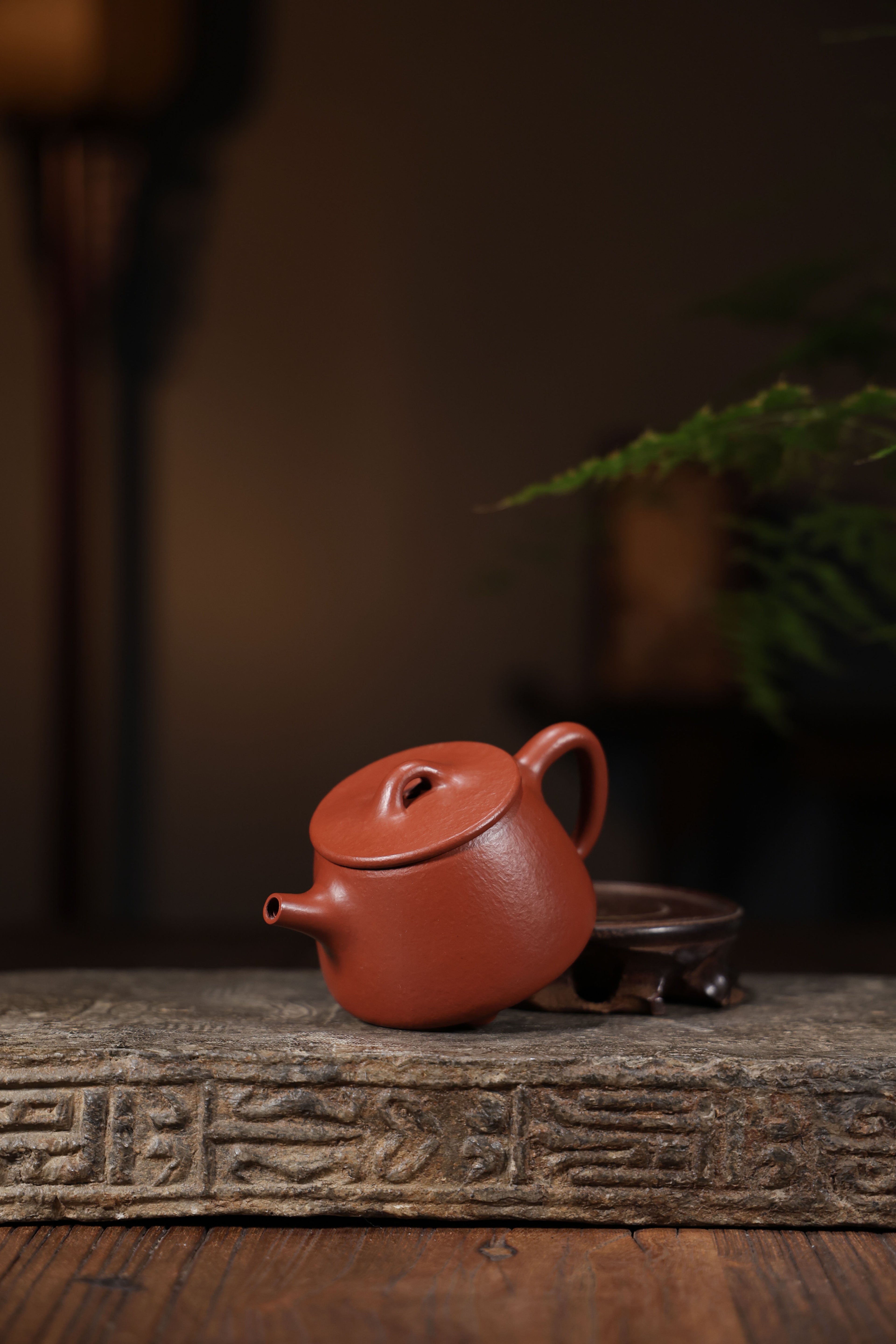
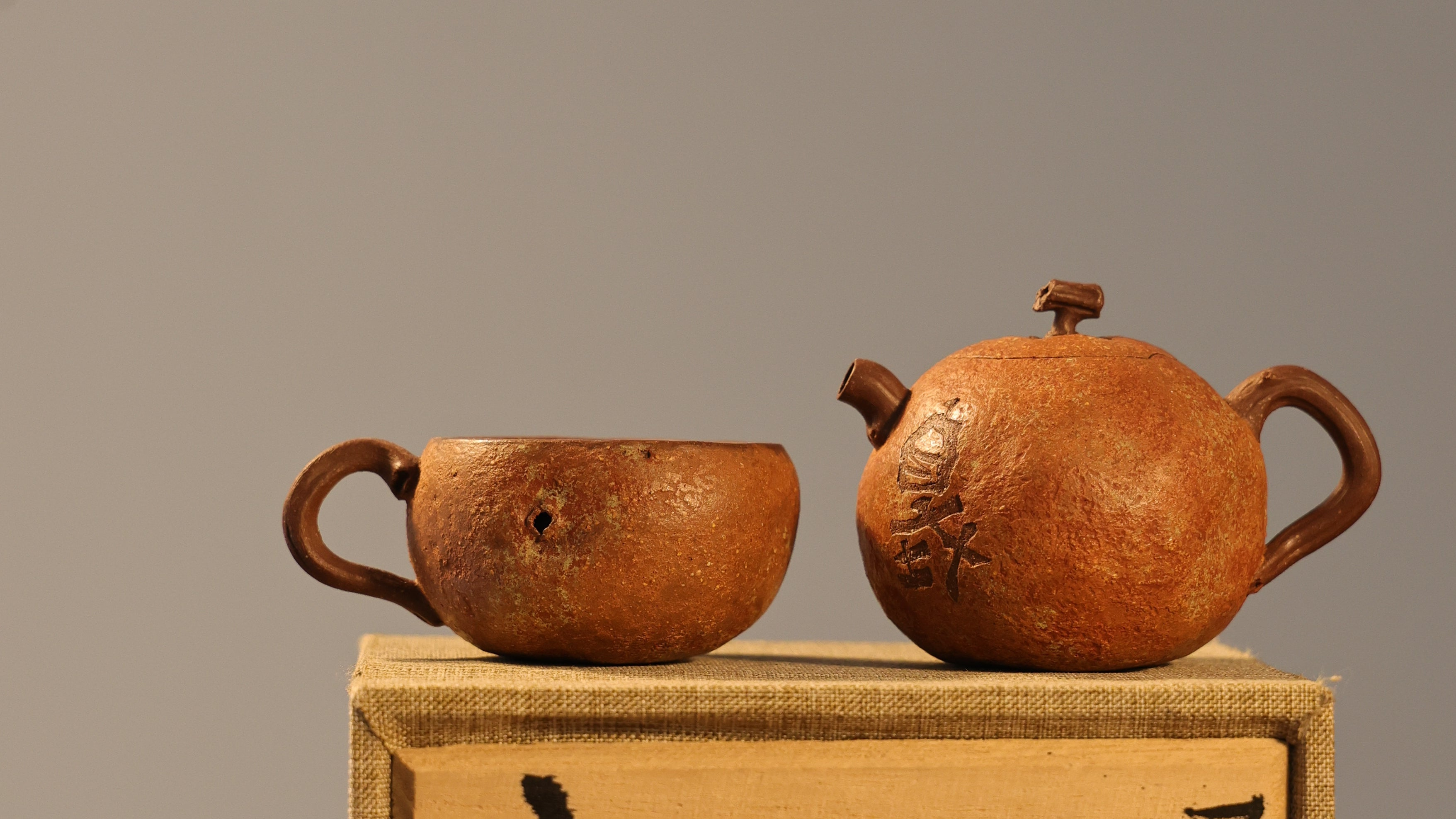
Periods in experts have long favored the exclusive beauty of Yixing Zisha earthenware. Founded in the secluded town of Yixing, the nation, these teapots are produced from a peculiar and sourced purple clay celebrated for its remarkable thermal attributes and tendency to improve the taste of brews. Apart from their functional significance, Zisha teapots manifest a lasting social foundation, transforming them greatly cherished and a authentic gem for any dedicated teapot connoisseur.
Surveying Yixing Containers
Traditional teapots showcase a distinctive integration of history and masterful craftsmanship. Emerging in Yixing, Jiangsu Region of China, their narrative commences in the Ming Dynasty, although clues suggest earlier expressions. The special purple clay, called Zisha, found merely in the Yixing region, is the fundamental component, contributing to the pots' outstanding heat maintenance and the manner they enhance the profile of tea. Periods of potters have perfected techniques—often conveyed through families—including coiling the clay, applying detailed embellishments, and firing the pots at consistent temperatures.- Originally, Yixing teapots were often adorned with simple designs.
- In due course, more elaborate carvings and figurative motifs became usual.
- The thermal curing itself is a crucial element, requiring years of practice.
Curating Zisha Teapots: Vital Considerations
Undertaking a journey to accumulate Zisha earthenware can be gratifying, but it’s important to discern what to examine. Authenticity is important; focus on the material’s natural hue, a earthy reddish-brown is regular. Examine the grain; genuine Zisha has a remarkable tactile sensation, often explained as slightly unequal. The design should be attractive and consistent with classic styles, while impressions, if present, require careful examination for legitimacy. Don’t postpone to consult with knowledgeable specialists or dependable references – their wisdom is critical.
A Containers: Researching the Custom of authentic Pottery
Ages have seen Yixing Purple Earth teapots keep a special role in Chinese history. These skillfully produced pots, sourced solely from the locality Yixing Zisha Teapot of Yixing, are acclaimed for their specific shade, consistency, and their ability to develop the quality of tea. Numerous collectors value antique Yixing teapots, treasuring them considerably not only for their aesthetic magnificence, but also for the history they symbolize.
Yixing Zisha Teapots: An Premier Classes and Their Properties
Ming Clay teapots, native to the traditional province of Yixing, China, are celebrated for their distinctive clay and exceptional brewing qualities. Within the various Zisha types, certain varieties that are highly valued include Binzhou Purple Sand. Binzhou, known for its bold purple shade and polished texture, delivers a tempered flavor. Duan Ni Zisha, recognizable by its chestnut color and partially grainy feel, is viewed to enhance the robustness. Lastly, Zhuni variety boasts an scarce crimson tone and can lend a pleasant nuance. Each type provides a different experience, making them highly desirable towards concoction enthusiasts.
Refining Personal Clay Kettle
To tap into the virtue of your Yixing container, mastering the correct approach is essential. These clay pitchers, celebrated for their filtering ability, will steadily absorb the quality of the tea you infuse within them. Begin by cleaning the jar thoroughly with tepid water. Then, use only top-grade loose leaf tea, as lower quality options can impair the teapot’s delicate character. Always give the leaves to develop completely, and remember that with each session, your Yixing urn will become steadily unique.
Conserving Your Priceless Zisha Treasure
Proper upkeep for your Zisha kettle is imperative to protecting its integrity and merit. Zisha clay, known for its unique cast and feel, requires precise handling. Never use strong formulas, as these can affect the covering. After every brewing, rinse the jar with mild water and allow it to cool off completely.
- Eschew soaking the urn for extended durations.
- At intervals use a soft fabric to maintain the exterior.
- Explore applying a thin layer of food-grade grease inside the kettle after drying, which can curb staining.
Initial Guide to Yixing Clay Pots
Yixing containers, originating from the Yixing sector in Jiangsu Province, within China, are celebrated for their distinctive aspects. Made from the unique purple ground known as Zisha, these pitchers are prized by tea enthusiasts worldwide. This manual will clearly explain the basics – covering kinds of Zisha dirt, favored shapes, and important care recommendations. Understanding the foundation of Yixing jars can improve your appreciation for this time-honored example of Sinic tradition.
Art of Zhongguo Containers: Showcasing Zisha sourced from the Yixing district
Zisha material from the Yixing territory represents the pinnacle of Yuan earthenware design, exhibiting a rare composition of genuine beauty and functional artistry. These remarkable pieces are famed for their vibrant shades, often varying from robust purples and mahogany hues to pale greys and subtle beiges. The defining mineral composition of the typical Zisha clay imparts a noteworthy texture and renders a gratifying aroma that richens the comprehensive extract experience, affording them exceptionally wished-for collectibles and key components of any serious custom.